meer en Vaart

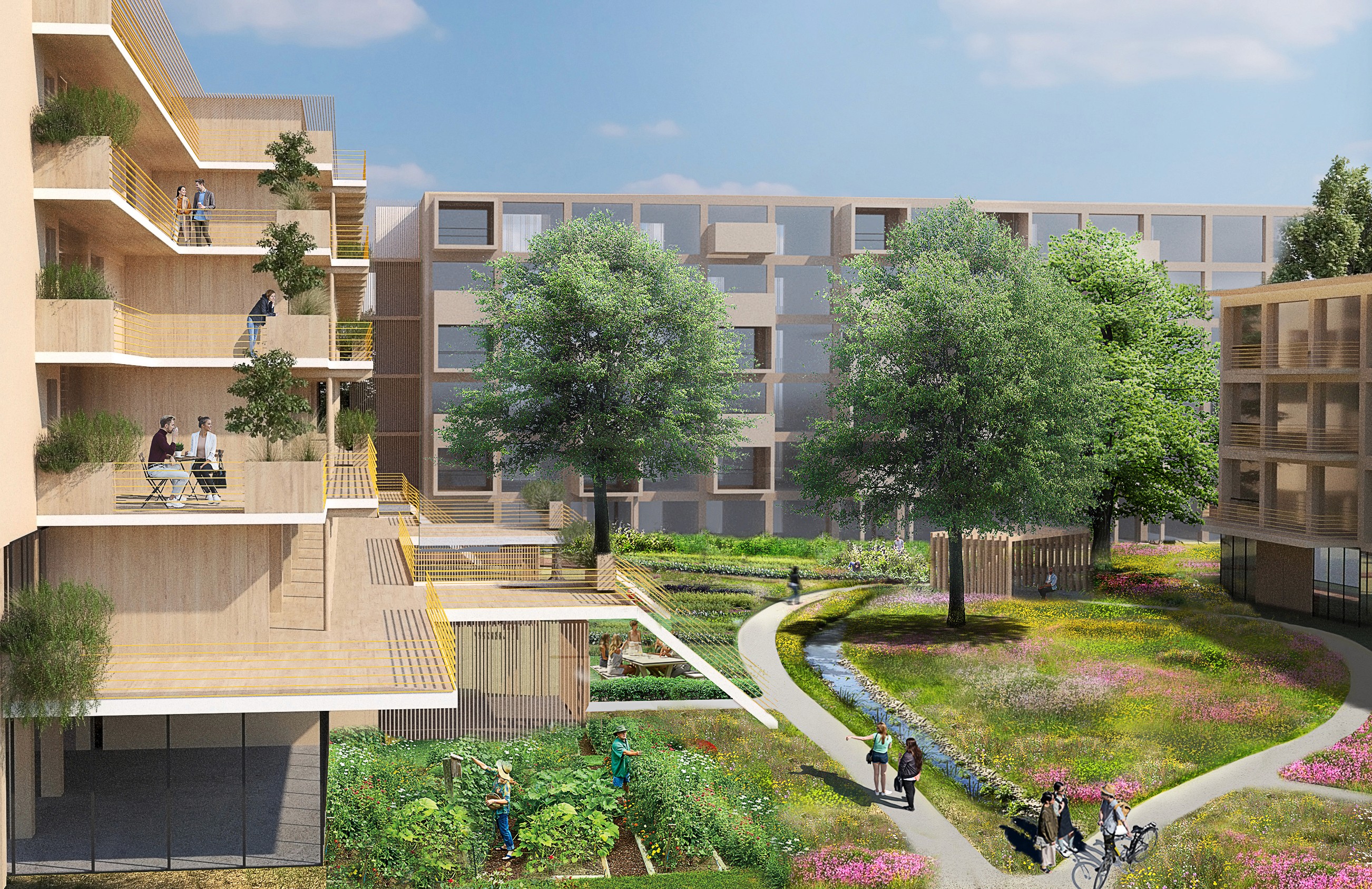
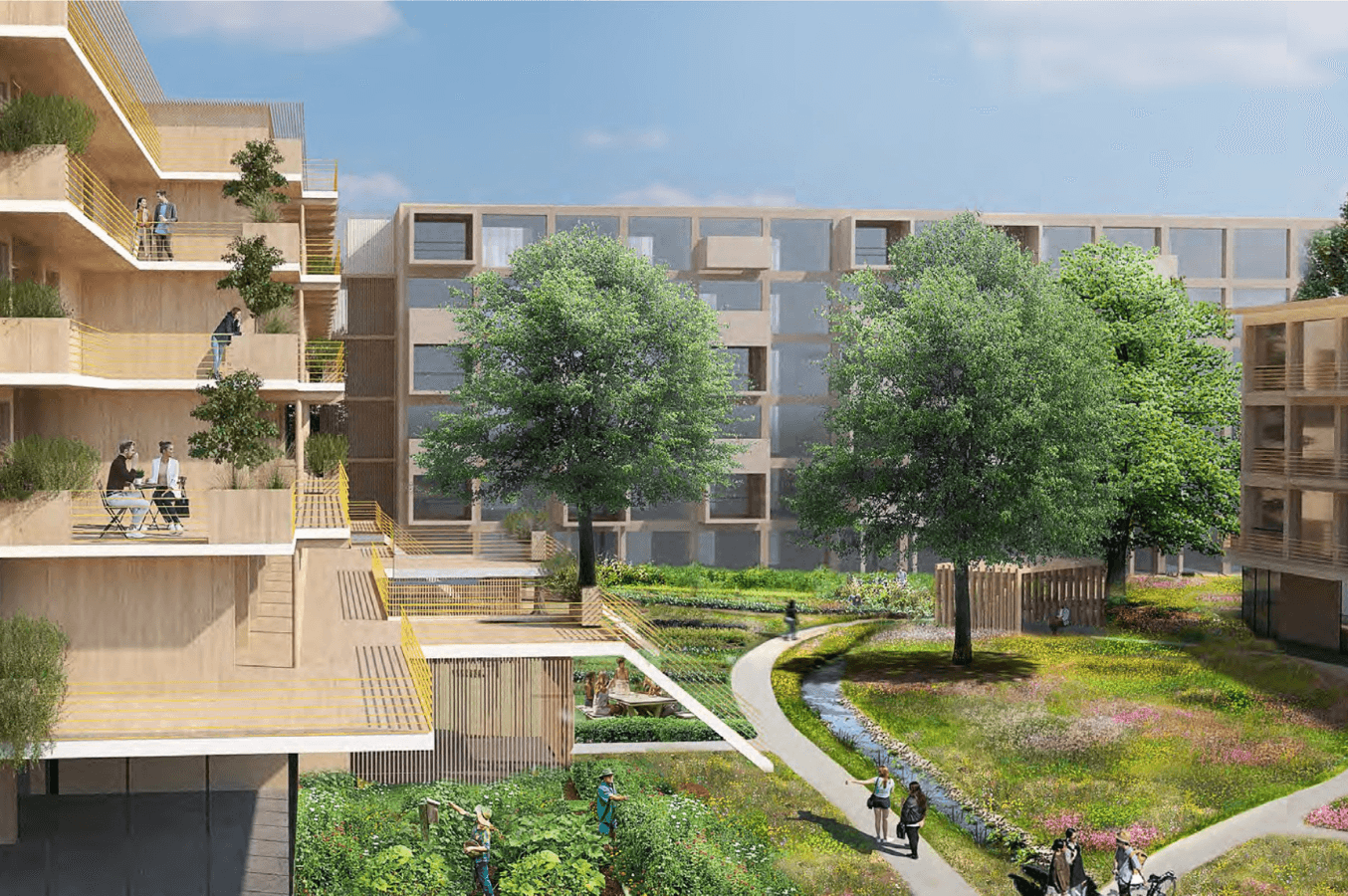
In Amsterdam West, a social housing corporation asked us to explore the potential for a high-density residential development that preserves and enhances the existing park at the heart of the site. The proposal envisions a nature-inclusive neighbourhood supported by a strong social cohesion strategy. By integrating activities and vegetation into the gardens, galleries, and rooftops, the design promotes biodiversity, climate resilience, and informal interaction among residents.

In Amsterdam West, a social housing corporation asked us to explore the potential for a high-density residential development that preserves and enhances the existing park at the heart of the site. The proposal envisions a nature-inclusive neighbourhood supported by a strong social cohesion strategy. By integrating activities and vegetation into the gardens, galleries, and rooftops, the design promotes biodiversity, climate resilience, and informal interaction among residents.

In Amsterdam West, a social housing corporation asked us to explore the potential for a high-density residential development that preserves and enhances the existing park at the heart of the site. The proposal envisions a nature-inclusive neighbourhood supported by a strong social cohesion strategy. By integrating activities and vegetation into the gardens, galleries, and rooftops, the design promotes biodiversity, climate resilience, and informal interaction among residents.

Client

Eigen Haard housing association Amsterdam

Eigen Haard housing association Amsterdam

Project type

Residential construction, 128 homes

Residential construction, 128 homes

Design team

Sophie Valla, Fido Melkens

In collaboration with

Saline Verhoeven

Location

Amsterdam North, Netherlands

Status

Selection 2021
Homes for Starters and Seniors

Homes for ALL

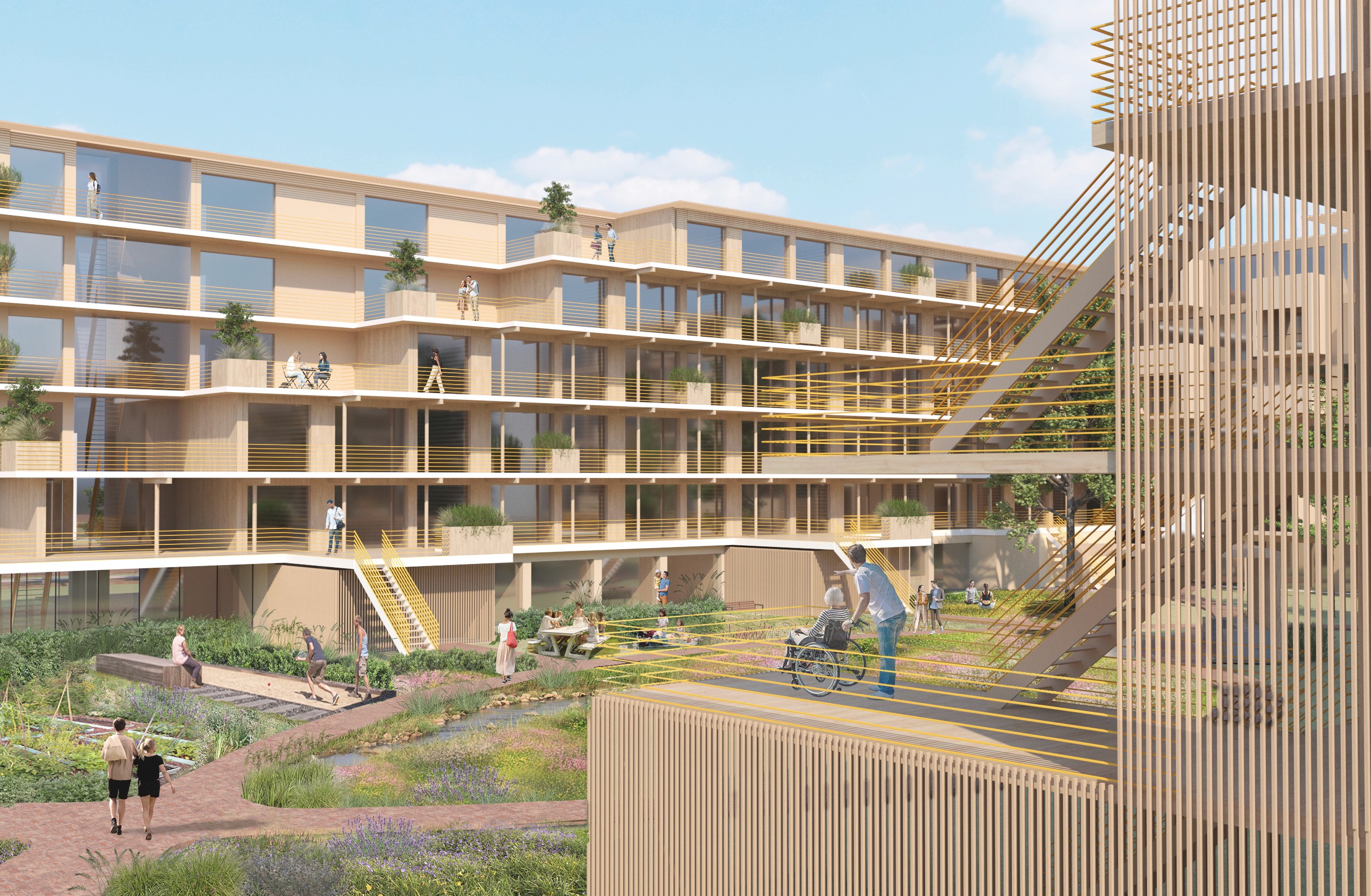
In this plan, we are creating 120 homes for young people and seniors. The green courtyard forms the heart of the project — a place where both target groups can meet and connect. A dedicated wing for seniors offers comfortable apartments designed for people with disabilities or care needs. The result is a living environment where everyone can feel at home, enjoying privacy and safe opportunities for interaction.

Thematic Courtyards

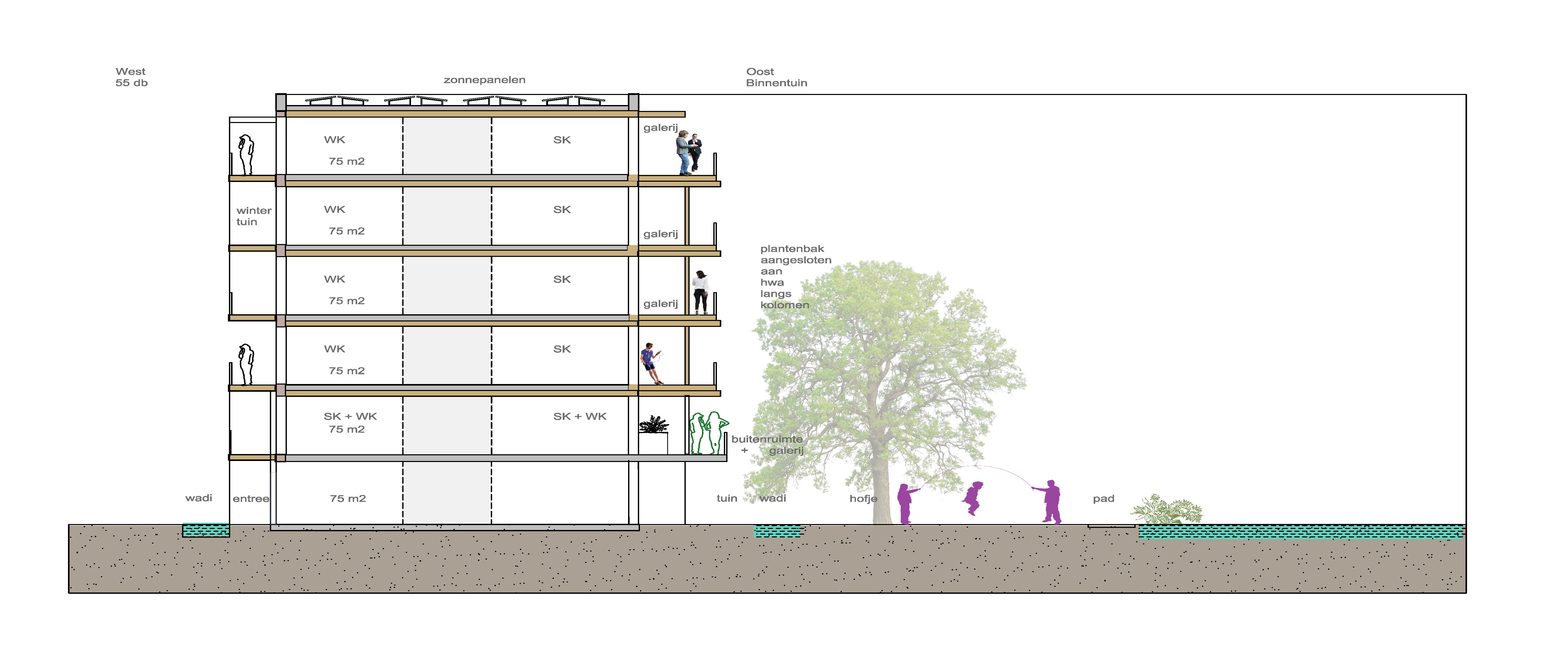
The courtyard structure is defined by a series of gardens that together form the backbone of the outdoor space. These places are designed in collaboration with residents, featuring themes ranging from vegetable gardens to fitness areas or quiet seating spots. The garden is not only a shared space but also a community-managed landscape, shaped and maintained by the residents themselves.

The courtyard is structured by so-called green trunks: inviting green courtyards that together form the backbone of the outdoor space. These spaces are being developed in collaboration with residents – from vegetable gardens to playgrounds and quiet seating areas. This creates a park that not only connects but is also supported by the community itself.


Spontaneous Encounters

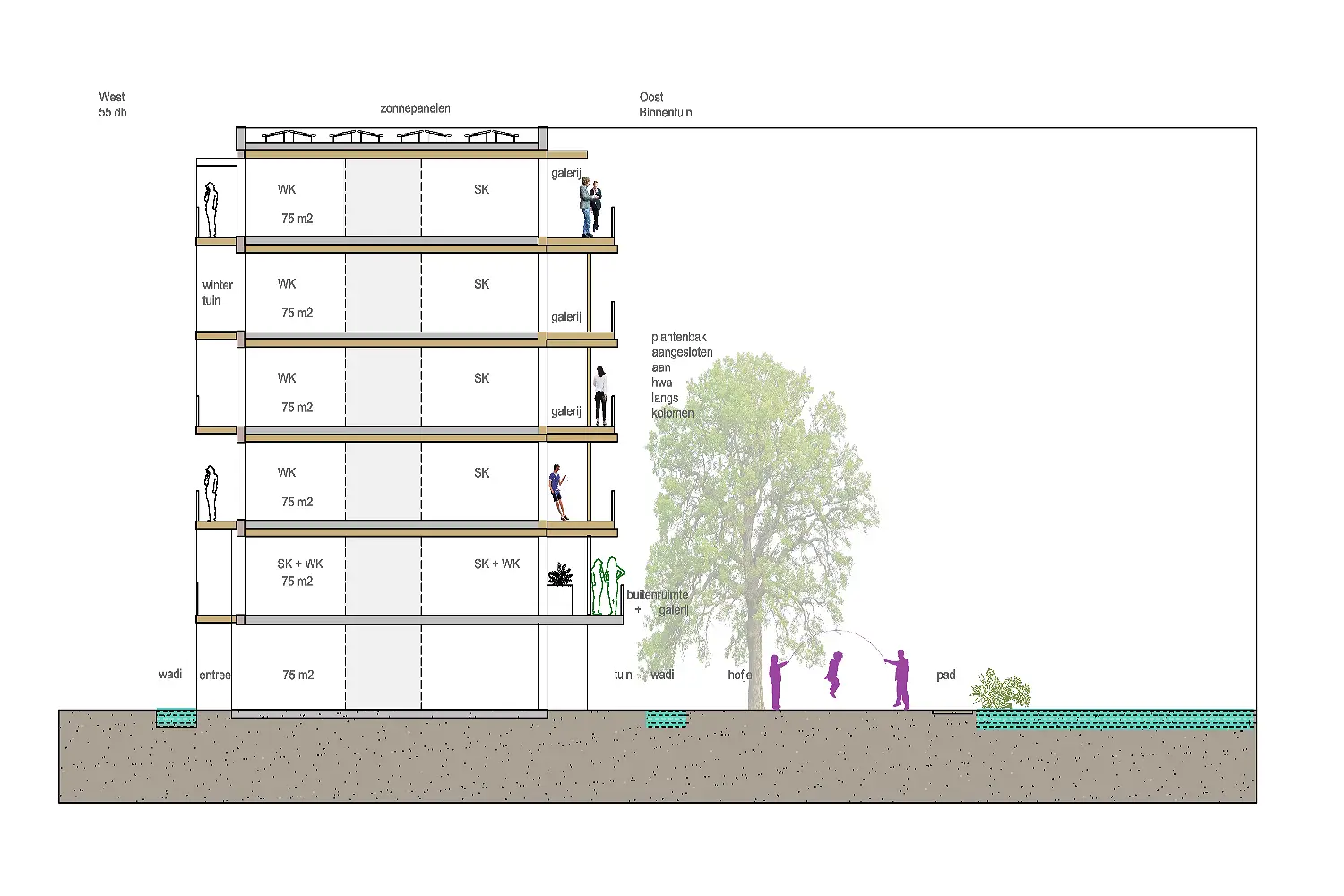

The urban design encourages social interaction among residents. Wide galleries and a circular circulation route for cyclists and pedestrians leading to the entrances ensure that people naturally cross paths and engage with one another. This approach helps to organically strengthen the community bond and promotes intergenerational encounters.


The urban design encourages encounters. Wide galleries and a logical route past bicycle parking and entrances ensure that residents naturally encounter each other. This naturally fosters a strong community bond.

The urban design encourages encounters. Wide galleries and a logical route past bicycle parking and entrances ensure that residents naturally encounter each other. This naturally fosters a strong community bond.

Modular construction

The homes are built using innovative modular timber construction. Thanks to prefabrication, the building process is faster, more efficient, and more sustainable. Each dwelling consists of one or two connected modules, allowing for a variety of interior layouts.
Gallery