Mijn Buurt

In the Netherlands, thousands of new homes are needed. The urgency — as well as the ambitions — is high. Homes must be energy-efficient, gas-free, and have the smallest possible ecological footprint. At the same time, they need to respond to climate change, including increased rainfall, heat, and drought, contribute to enhancing natural systems within cities, and strengthen the social life of neighborhoods. To keep cities attractive, homes must accommodate a wide variety of households and include affordable housing. Sophie Valla Architects and Vista Landscape Architects have pursued a joint investigation to define design guidelines.

In the Netherlands, thousands of new homes are needed. The urgency — as well as the ambitions — is high. Homes must be energy-efficient, gas-free, and have the smallest possible ecological footprint. At the same time, they need to respond to climate change, including increased rainfall, heat, and drought, contribute to enhancing natural systems within cities, and strengthen the social life of neighborhoods. To keep cities attractive, homes must accommodate a wide variety of households and include affordable housing. Sophie Valla Architects and Vista Landscape Architects have pursued a joint investigation to define design guidelines.

In the Netherlands, thousands of new homes are needed. The urgency — as well as the ambitions — is high. Homes must be energy-efficient, gas-free, and have the smallest possible ecological footprint. At the same time, they need to respond to climate change, including increased rainfall, heat, and drought, contribute to enhancing natural systems within cities, and strengthen the social life of neighborhoods. To keep cities attractive, homes must accommodate a wide variety of households and include affordable housing. Sophie Valla Architects and Vista Landscape Architects have pursued a joint investigation to define design guidelines.

Service

Research into future residential areas, 2022

Research into future residential areas, 2022

In collaboration with

Saline Verhoeven

Design team

Sophie Valla, Fido Melkens

Location

The Netherlands

Multiple Perspectives

We frequently collaborate with landscape architects to enrich designs by integrating specialized knowledge and multiple perspectives, working closely with clients, local stakeholders, and colleagues. Together, we seek added value by proposing solutions that address different challenges in an integrated process.
Interweaving Strategies

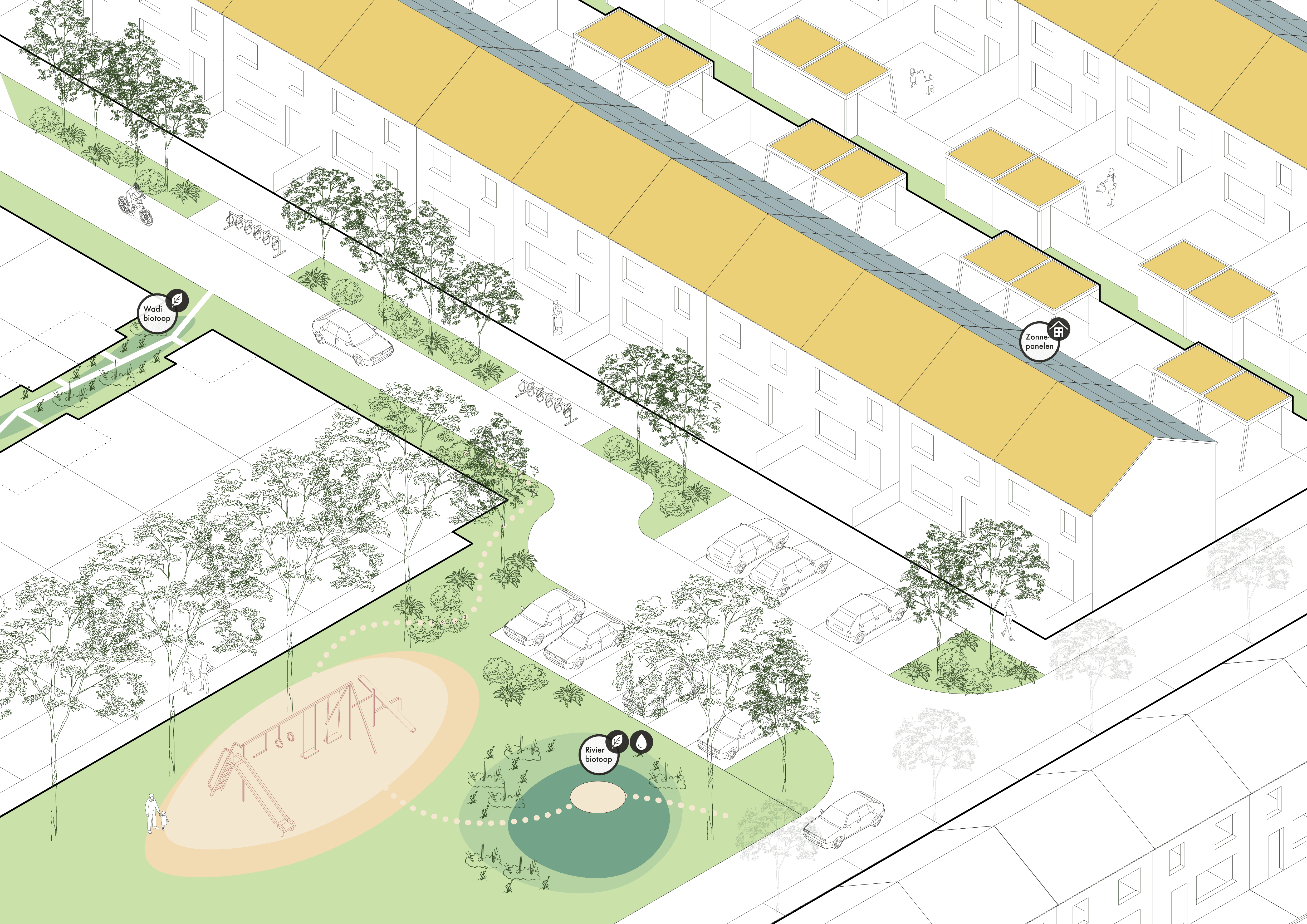
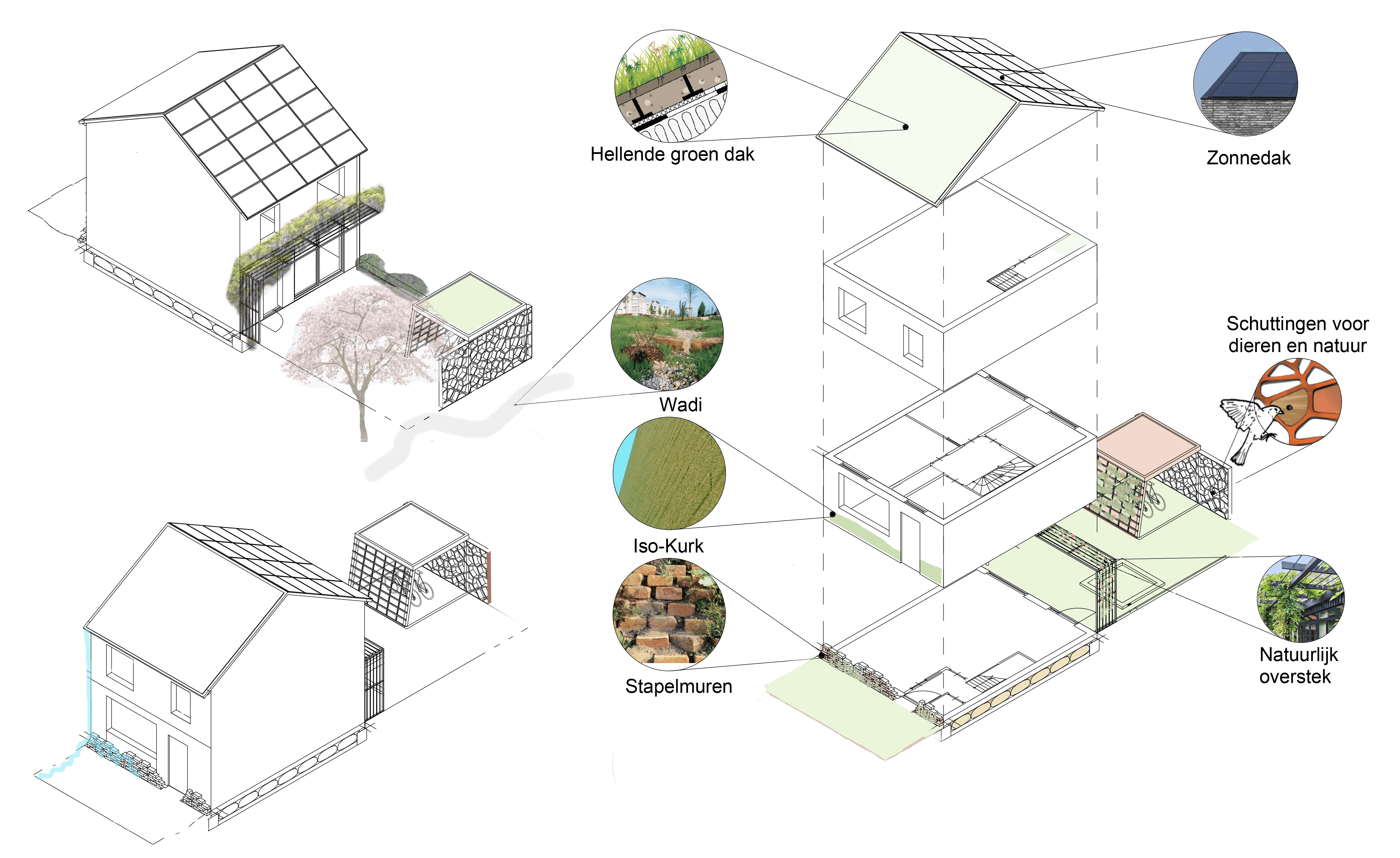
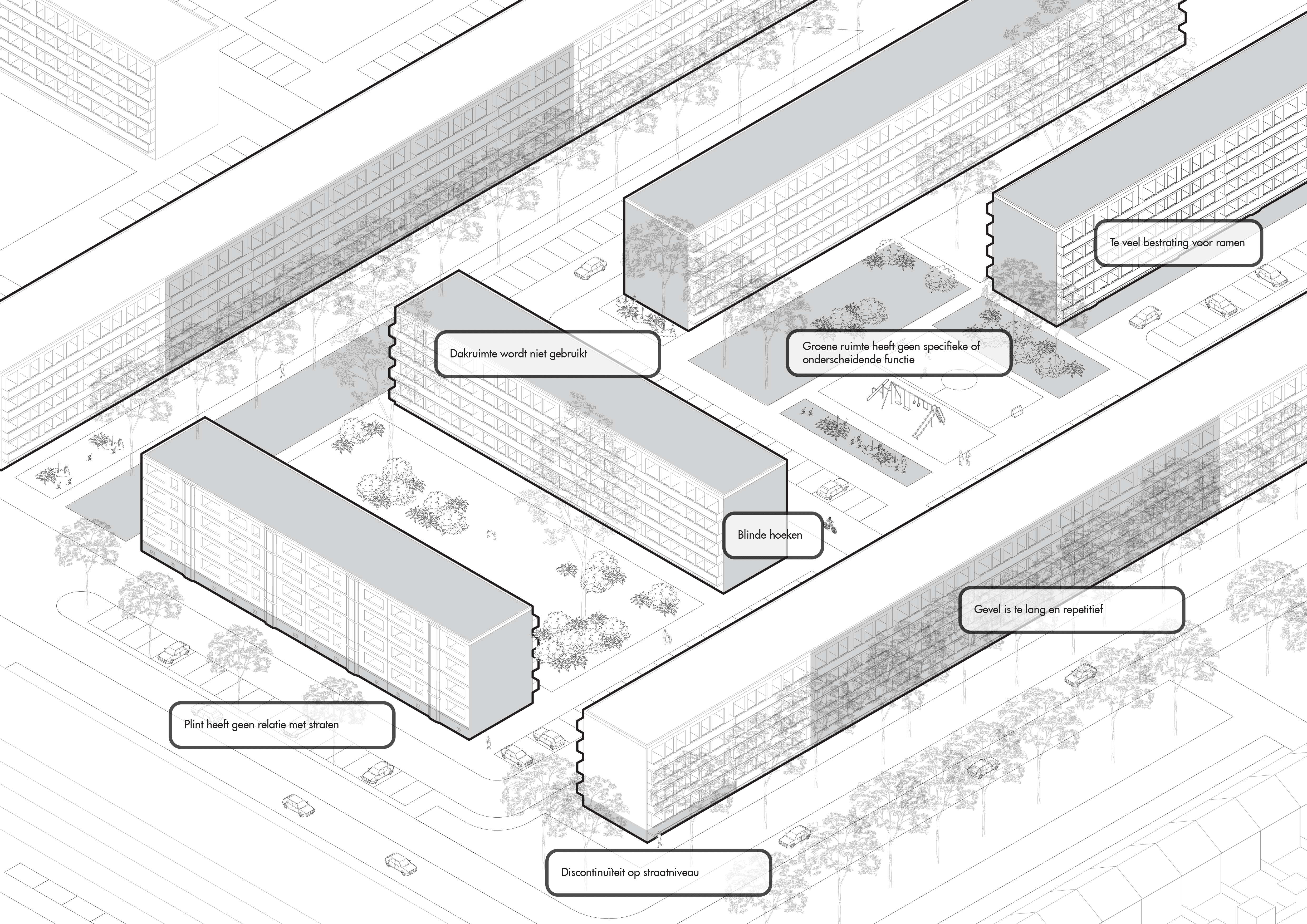
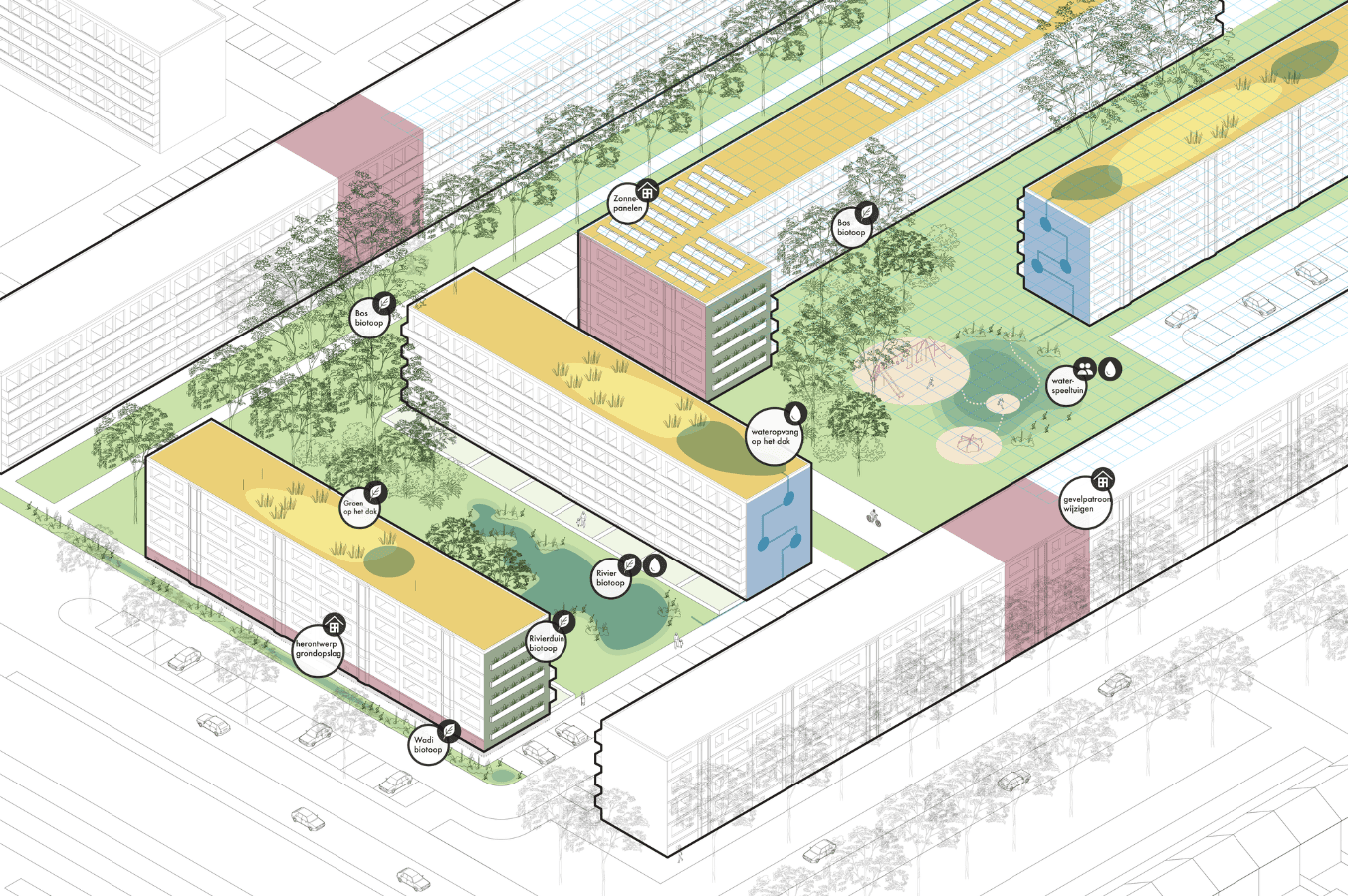
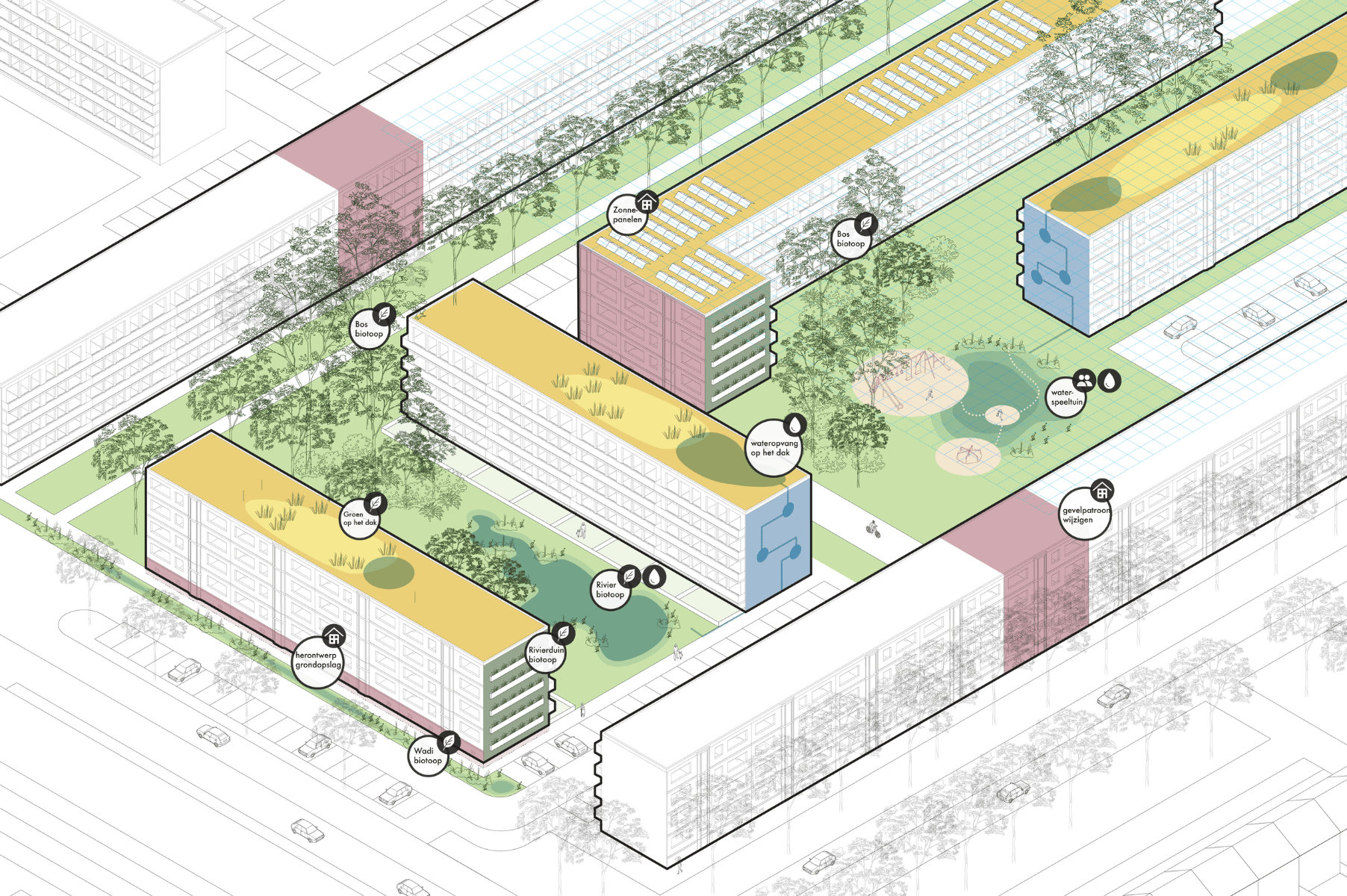
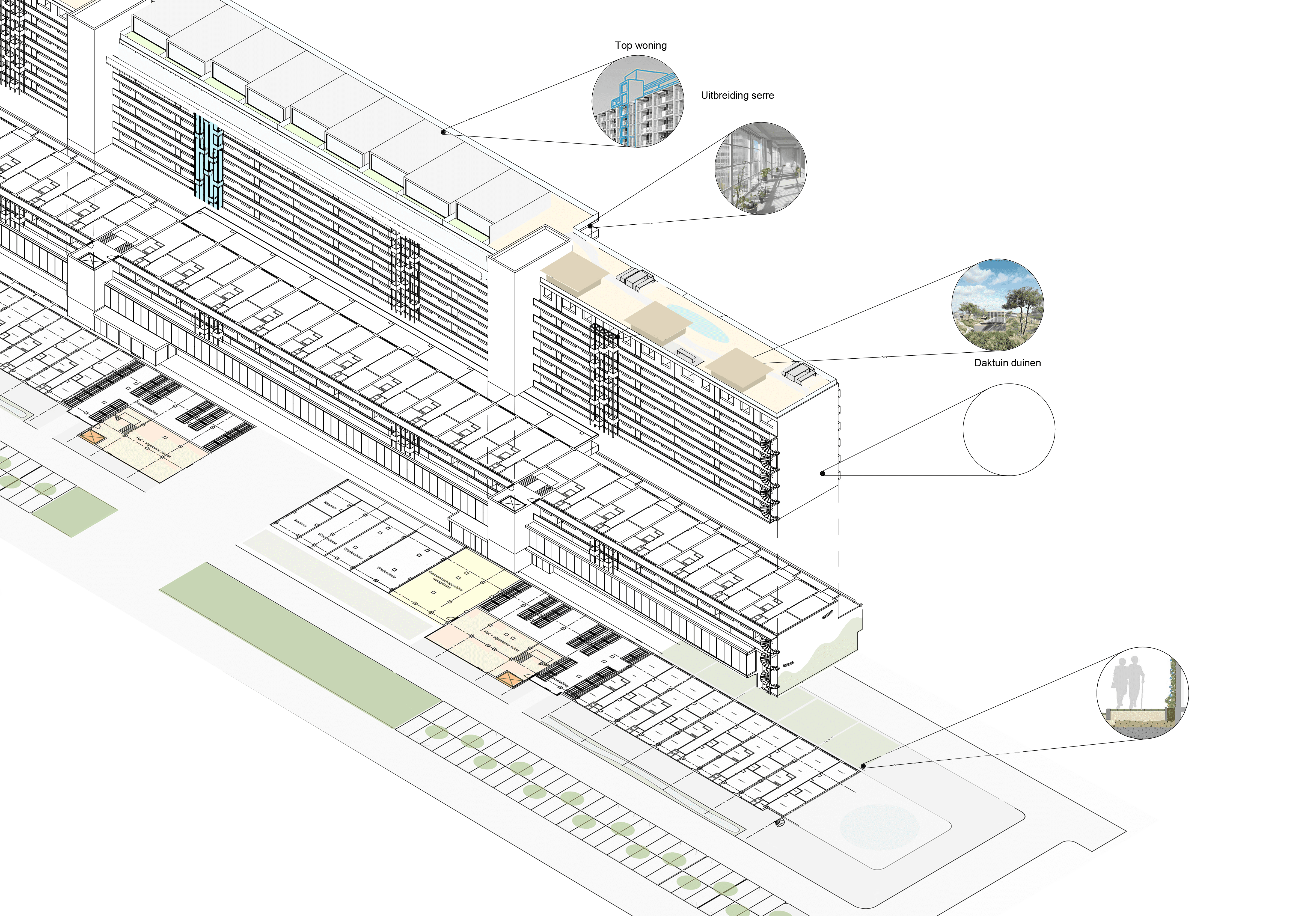
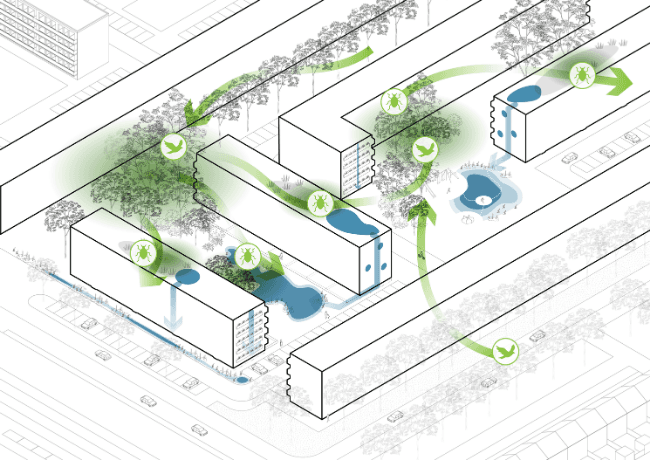
We have developed strategies for renovating flats, densifying neighborhoods, and new construction, all with a focus on people’s health and the natural environment. We illustrate how these strategies translate into design interventions and how they strengthen neighborhoods. At the heart of our approach is the question: what is the quality of nature in the city? We go beyond merely greening buildings and create spatial conditions for nature to develop within the urban environment. Examples of this approach in architecture and outdoor space include reorganizing mobility, making room for natural processes such as vegetation growing within the built environment and providing shelter for insects and animals, and examining the quality of soil and built surfaces, which form the literal foundation.

We have developed strategies for renovating flats, densifying neighborhoods, and new construction, all with a focus on people’s health and the natural environment. We illustrate how these strategies translate into design interventions and how they strengthen neighborhoods. At the heart of our approach is the question: what is the quality of nature in the city? We go beyond merely greening buildings and create spatial conditions for nature to develop within the urban environment. Examples of this approach in architecture and outdoor space include reorganizing mobility, making room for natural processes such as vegetation growing within the built environment and providing shelter for insects and animals, and examining the quality of soil and built surfaces, which form the literal foundation.

We have developed strategies for renovating flats, densifying neighborhoods, and new construction, all with a focus on people’s health and the natural environment. We illustrate how these strategies translate into design interventions and how they strengthen neighborhoods. At the heart of our approach is the question: what is the quality of nature in the city? We go beyond merely greening buildings and create spatial conditions for nature to develop within the urban environment. Examples of this approach in architecture and outdoor space include reorganizing mobility, making room for natural processes such as vegetation growing within the built environment and providing shelter for insects and animals, and examining the quality of soil and built surfaces, which form the literal foundation.

Spontaneous Encounters

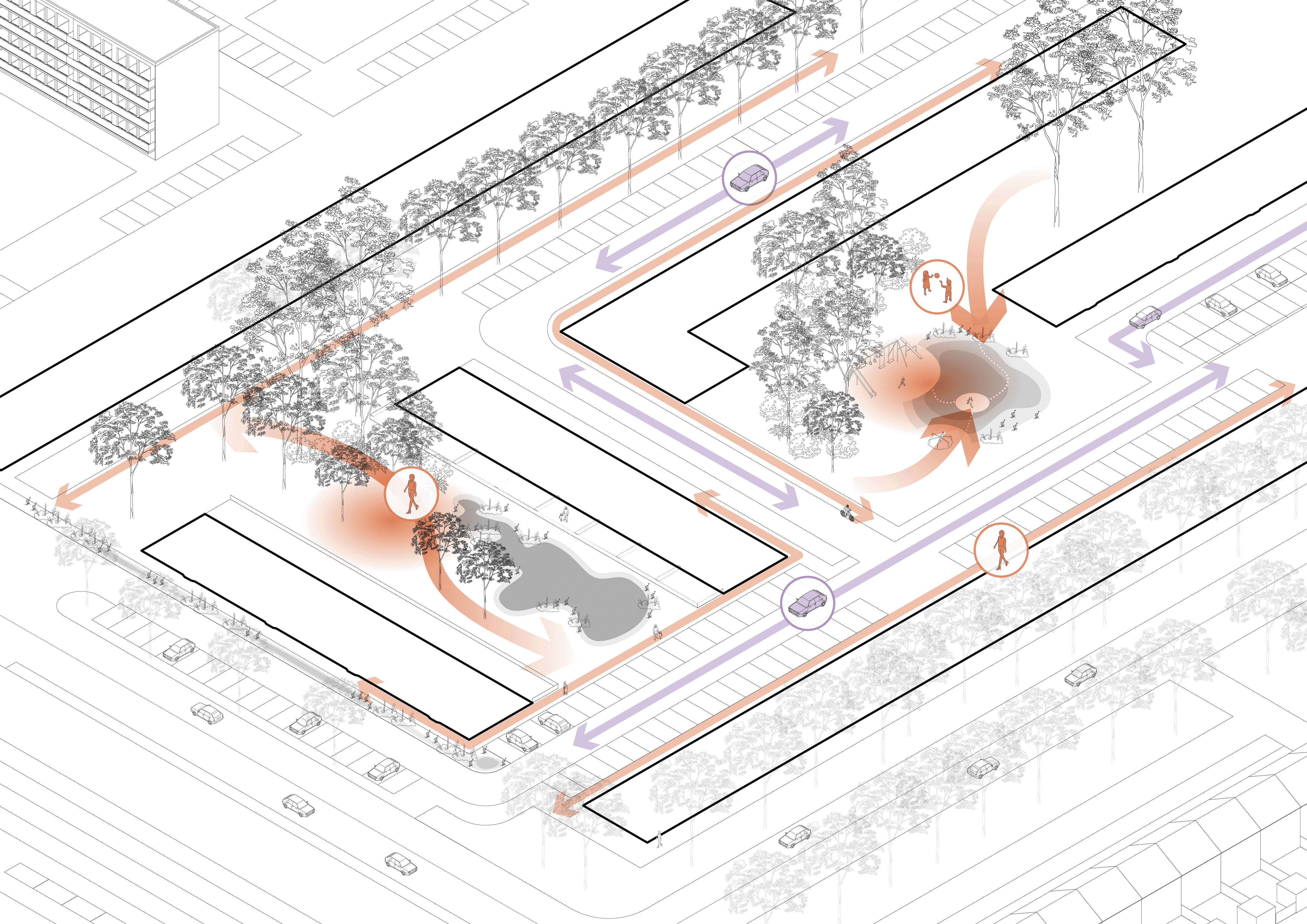
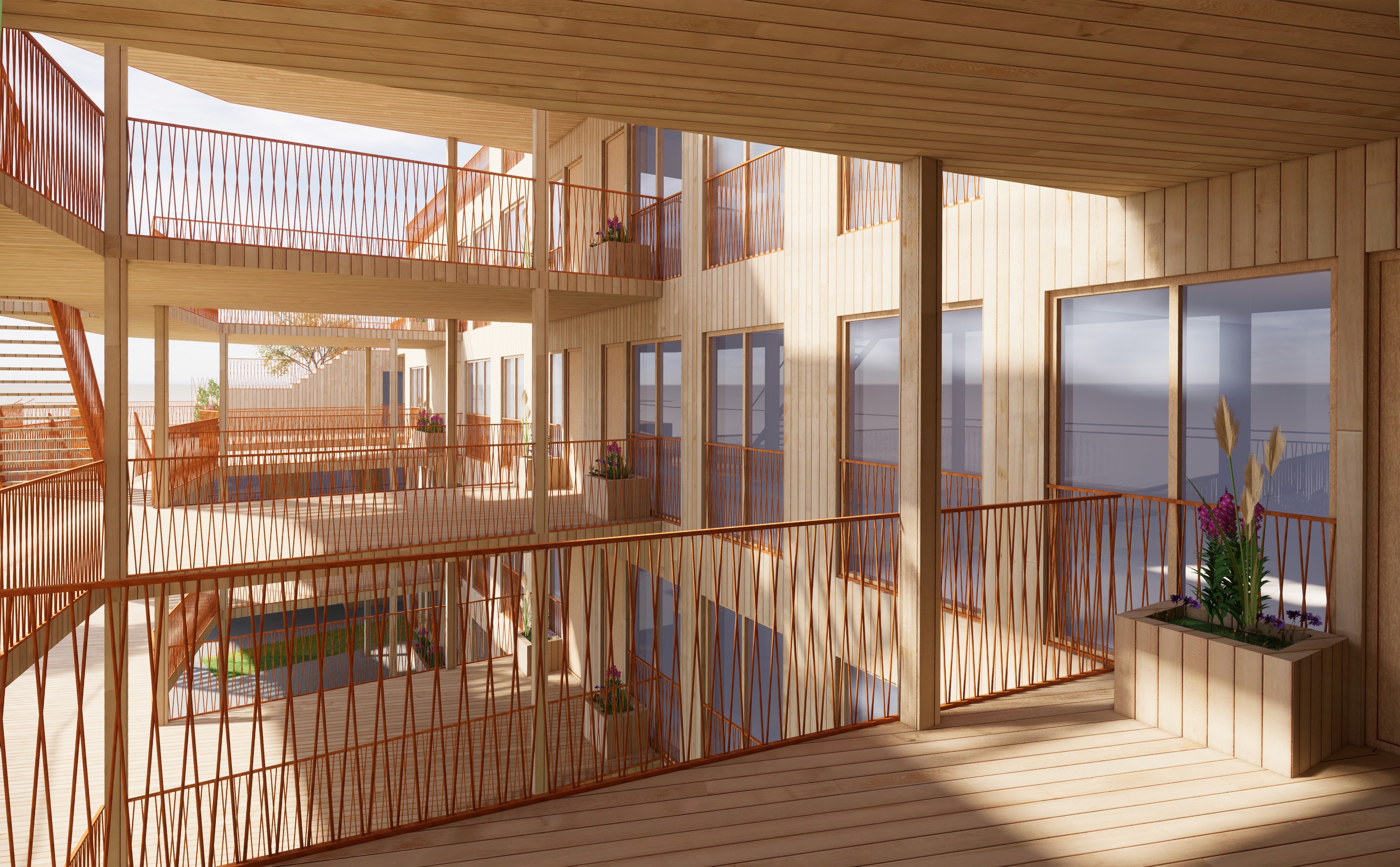
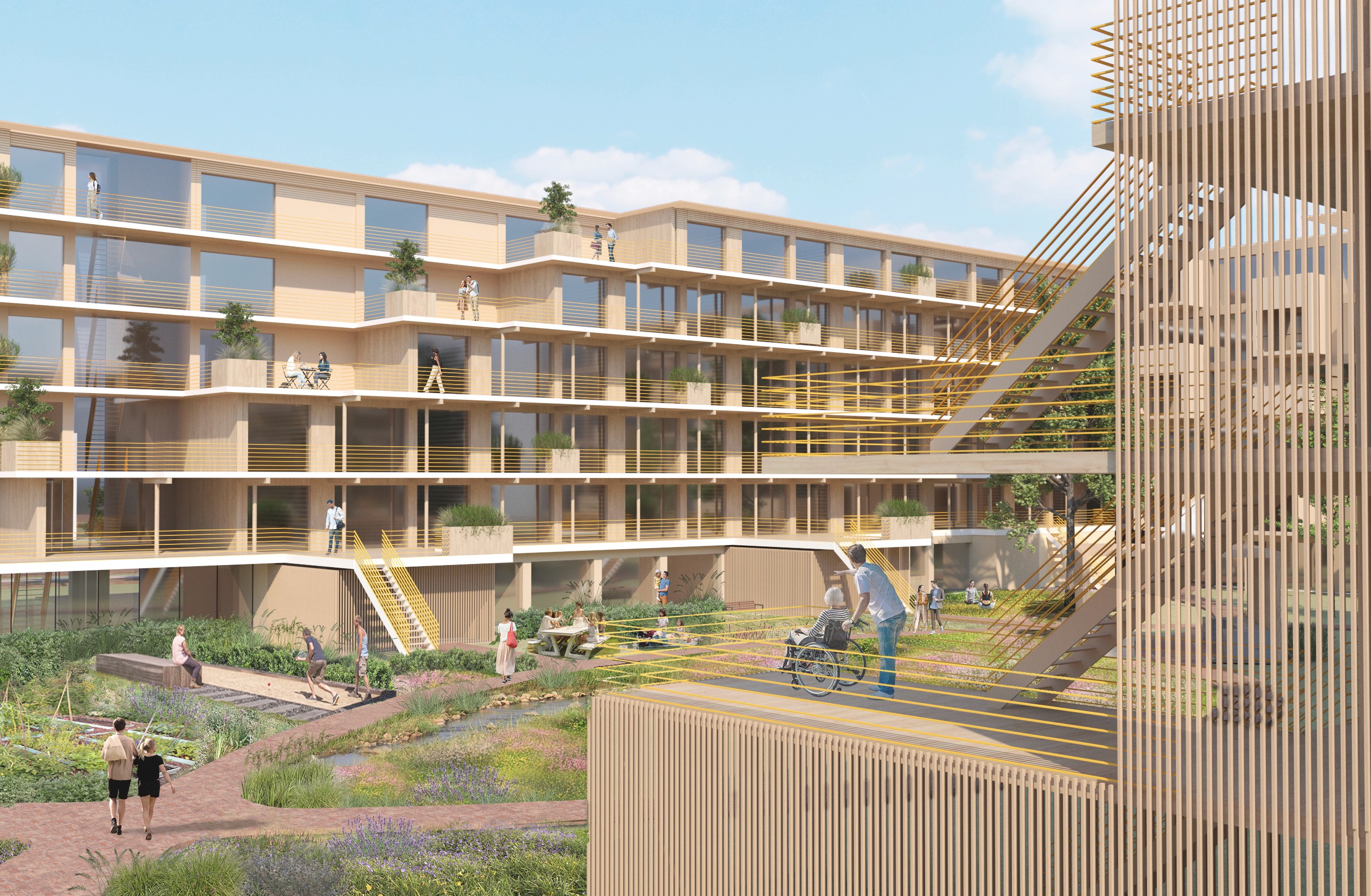
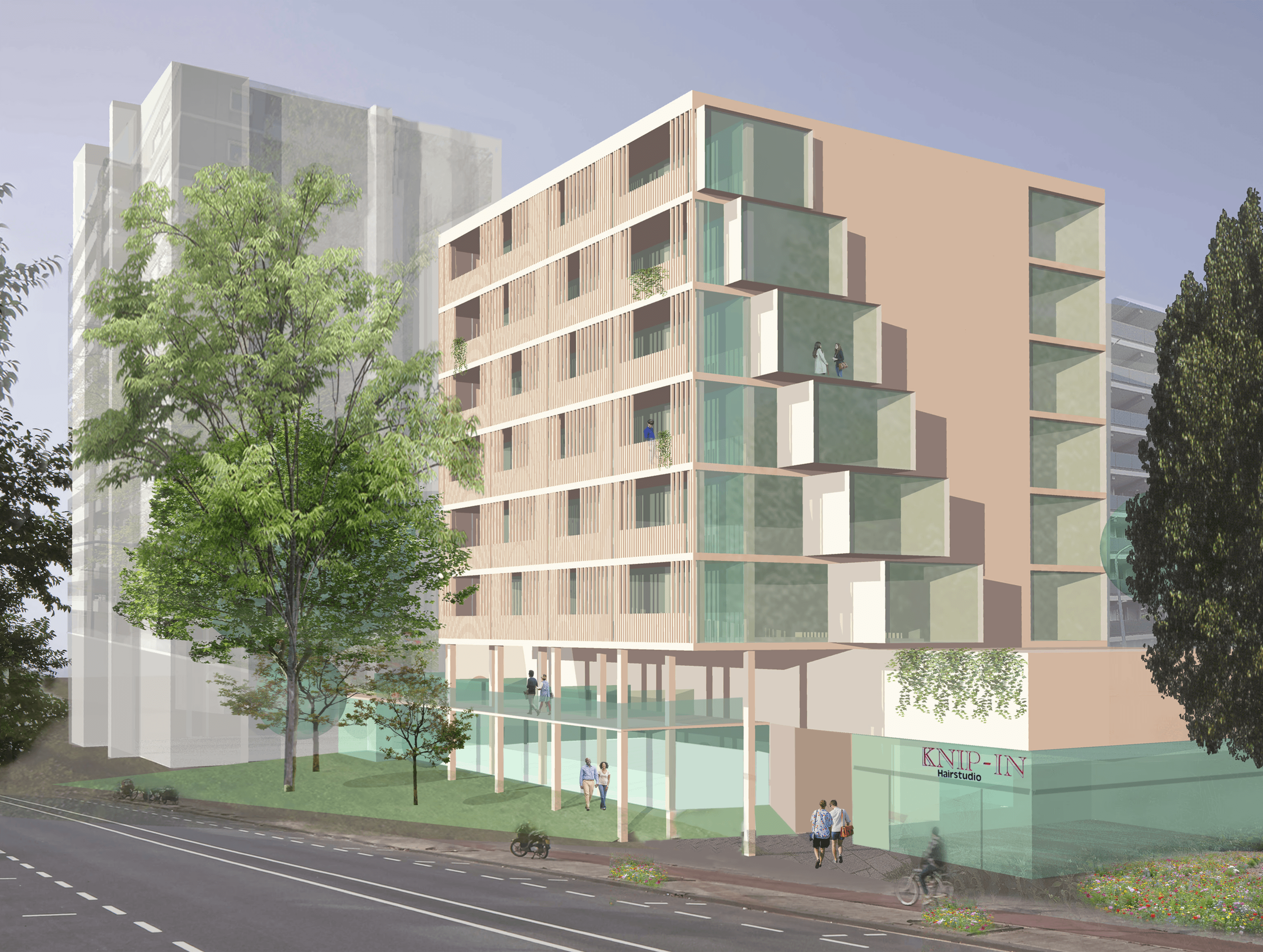
Strong neighborhoods do not develop automatically. Social cohesion begins with chance encounters — meeting, chatting, and getting to know one another. Urban household compositions are changing: residents have diverse cultural backgrounds, lifestyles, and social positions. Transformation, densification, or new construction requires designs that accommodate a wide variety of people and households. Examples of design tools we use include designing around residents’ daily routines, creating transition spaces that are more than just galleries or corridors, and orienting specific activities along slow-movement routes, such as pedestrian and cycling paths.


Strong neighborhoods do not develop automatically. Social cohesion begins with chance encounters — meeting, chatting, and getting to know one another. Urban household compositions are changing: residents have diverse cultural backgrounds, lifestyles, and social positions. Transformation, densification, or new construction requires designs that accommodate a wide variety of people and households. Examples of design tools we use include designing around residents’ daily routines, creating transition spaces that are more than just galleries or corridors, and orienting specific activities along slow-movement routes, such as pedestrian and cycling paths.


Strong neighborhoods do not develop automatically. Social cohesion begins with chance encounters — meeting, chatting, and getting to know one another. Urban household compositions are changing: residents have diverse cultural backgrounds, lifestyles, and social positions. Transformation, densification, or new construction requires designs that accommodate a wide variety of people and households. Examples of design tools we use include designing around residents’ daily routines, creating transition spaces that are more than just galleries or corridors, and orienting specific activities along slow-movement routes, such as pedestrian and cycling paths.


Responding to climate change

Responding to climate change

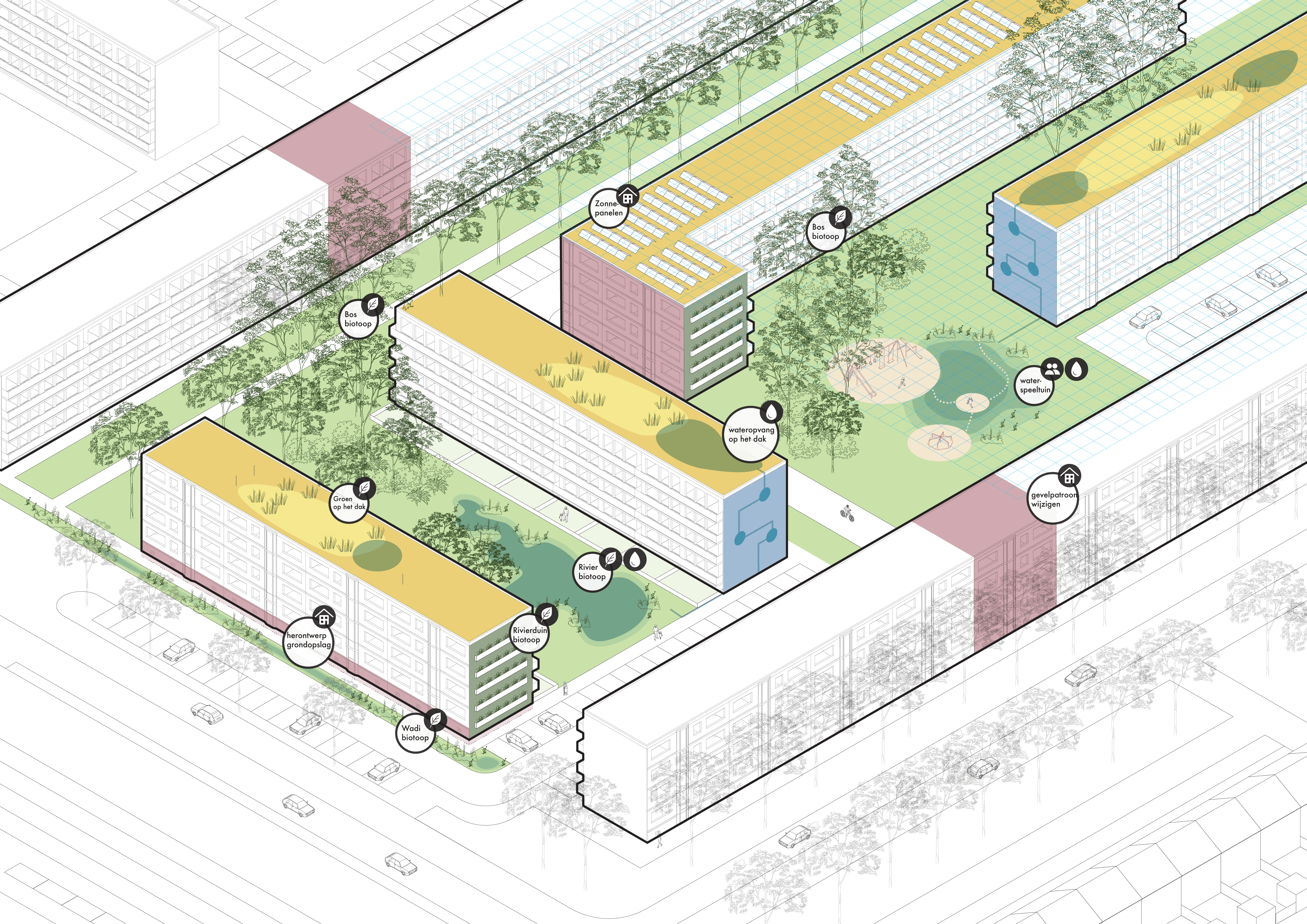
Gas-free construction, the energy transition, and making building blocks “rainproof” require adjustments in how homes are built. We look for ways to combine and integrate requirements. This includes creating soft transitions with living facades or buffer zones between public, collective, and private spaces, and varying surfaces to manage water, providing both dry and wet areas for different uses and ecological habitats.
Gallery